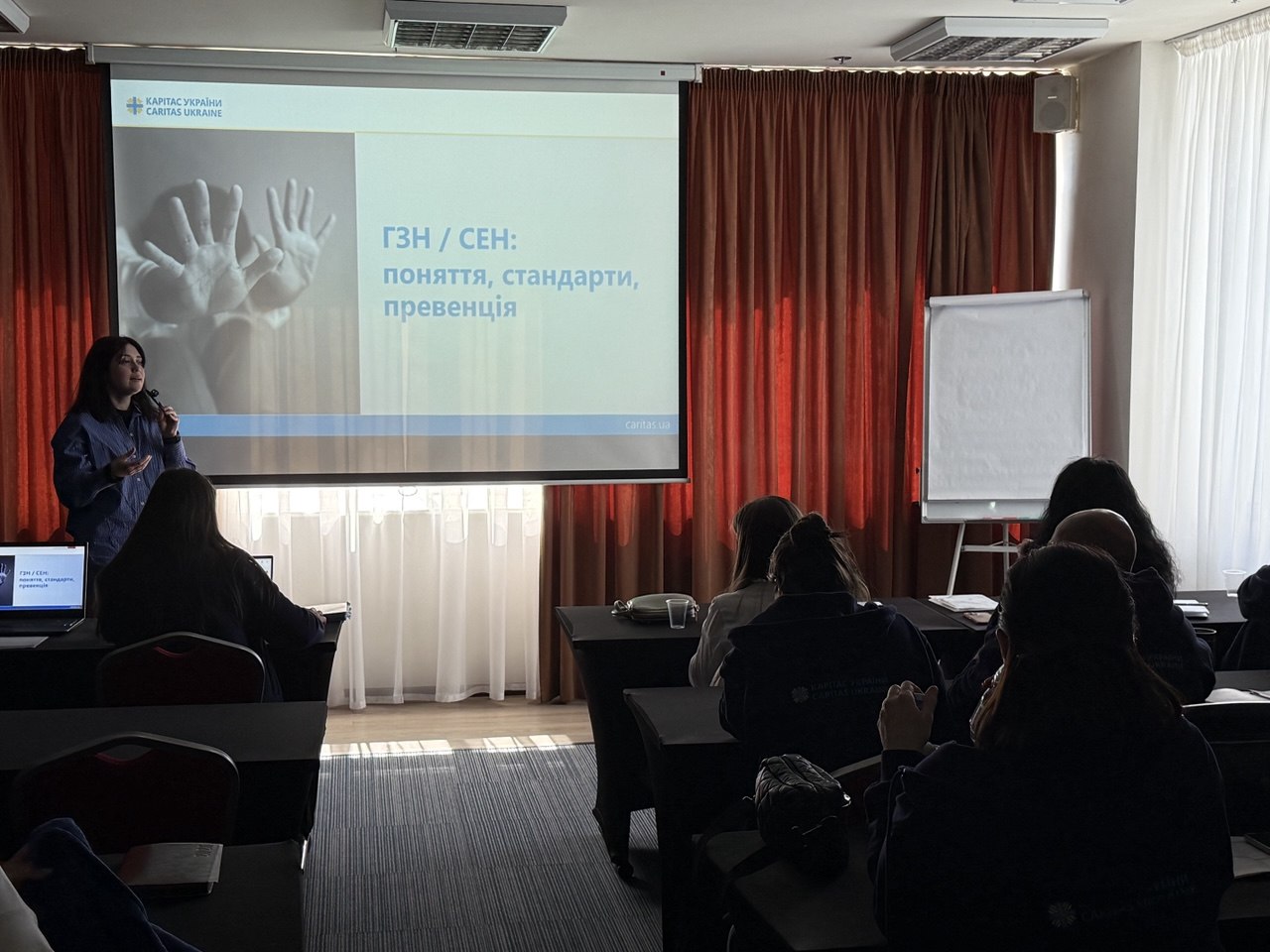
On April 22, a safeguarding training for local Caritas teams was held on the topic of preventing and combating gender-based violence and sexual exploitation and abuse.
As part of the project “Support for a dignified life for IDPs with limited mobility,” a three-day training was conducted for teams of local organizations, aimed at strengthening their capacity to work with issues of inclusion, protection, safeguarding, and accountability in daily work with beneficiaries. The training took place on April 21-23 and brought together 31 participants offline and over 20 online. Representatives from Caritas Donetsk and Caritas Kryvyi Rih – specialists from various fields who directly work with beneficiaries – participated.
The training program was structured around three key areas: inclusion, protection and safeguarding, and accountability to beneficiaries (CCCM).
The second day, April 22, was dedicated to protection and safeguarding. Marta Yatsyshyn, Safeguarding Policy and System Implementation Manager, conducted two training sessions focused on safeguarding against gender-based violence (GBV) and sexual exploitation, abuse, and harassment (SEAH). During the training, participants worked with basic approaches to preventing GBV and SEAH, and also analyzed practical aspects of response in daily work. Specifically, they discussed various forms of violence, their manifestations, and high-risk groups, as well as how to recognize such cases at early stages.
Special attention was paid to ethical interaction with victims: participants considered the principles of confidentiality, prevention of re-traumatization, and a victim-centered approach. An important part was working with the concept of consent and the awareness of power imbalances in relationships between staff and beneficiaries, which directly affects the safety of this interaction.
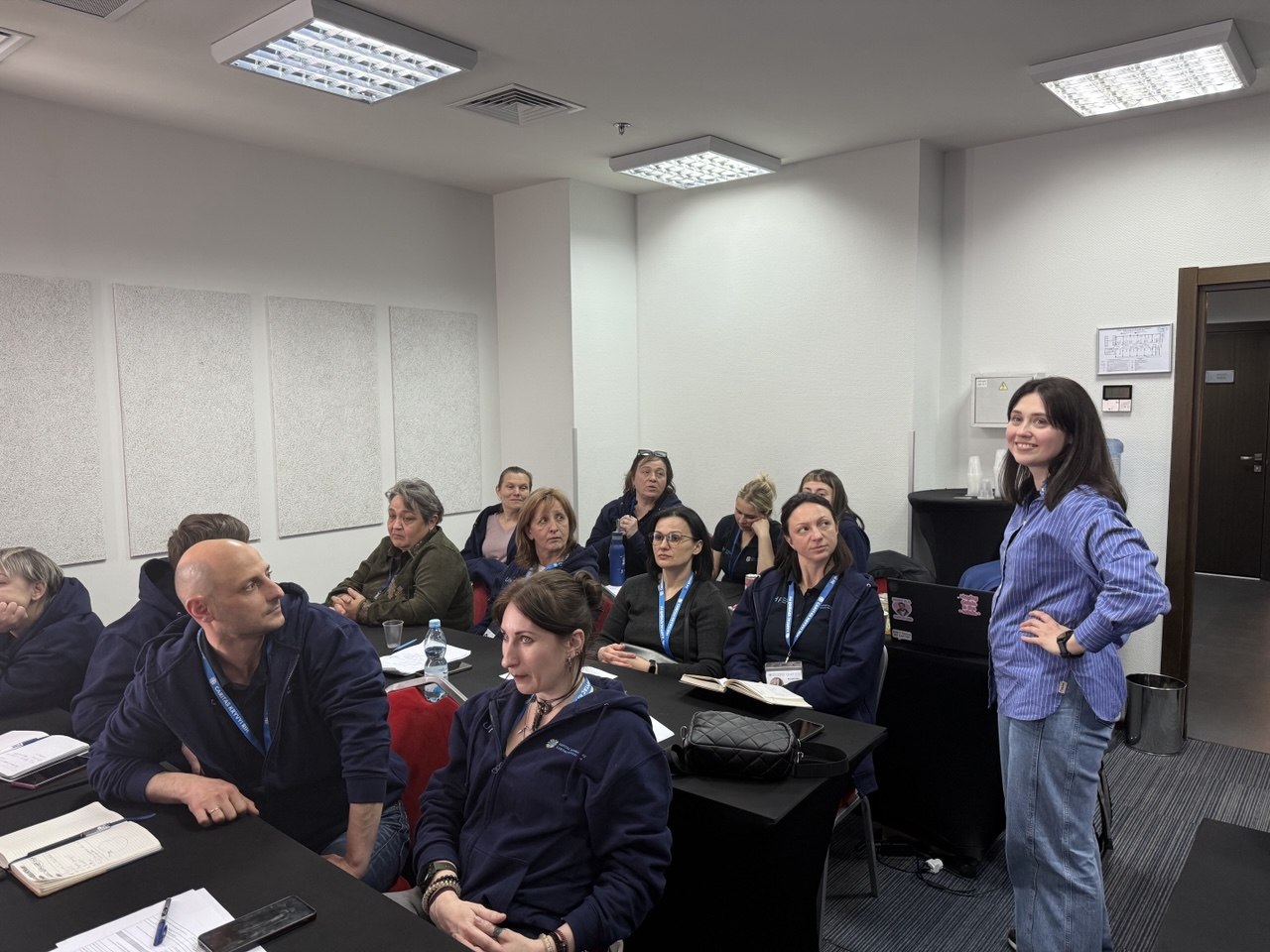
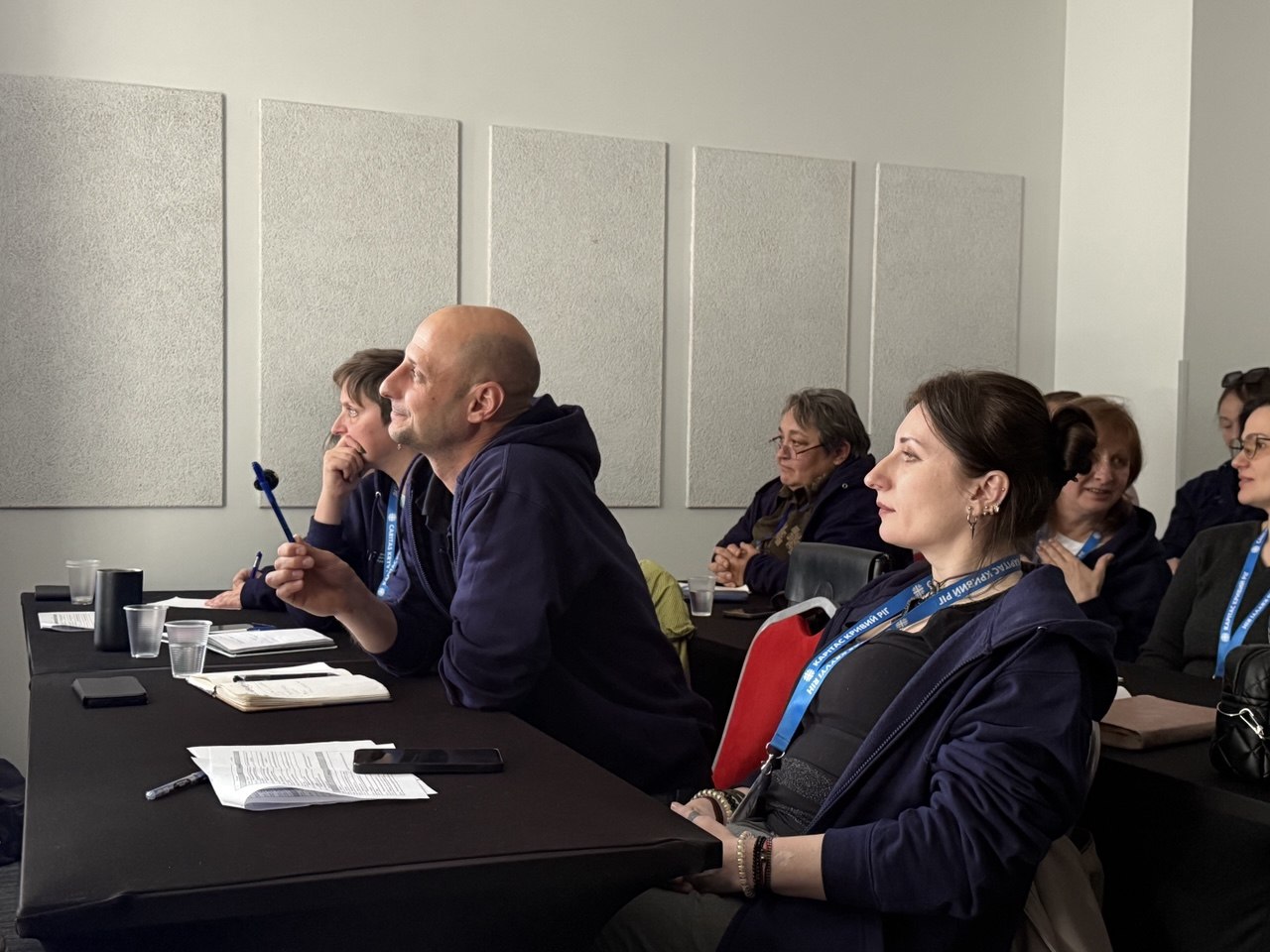
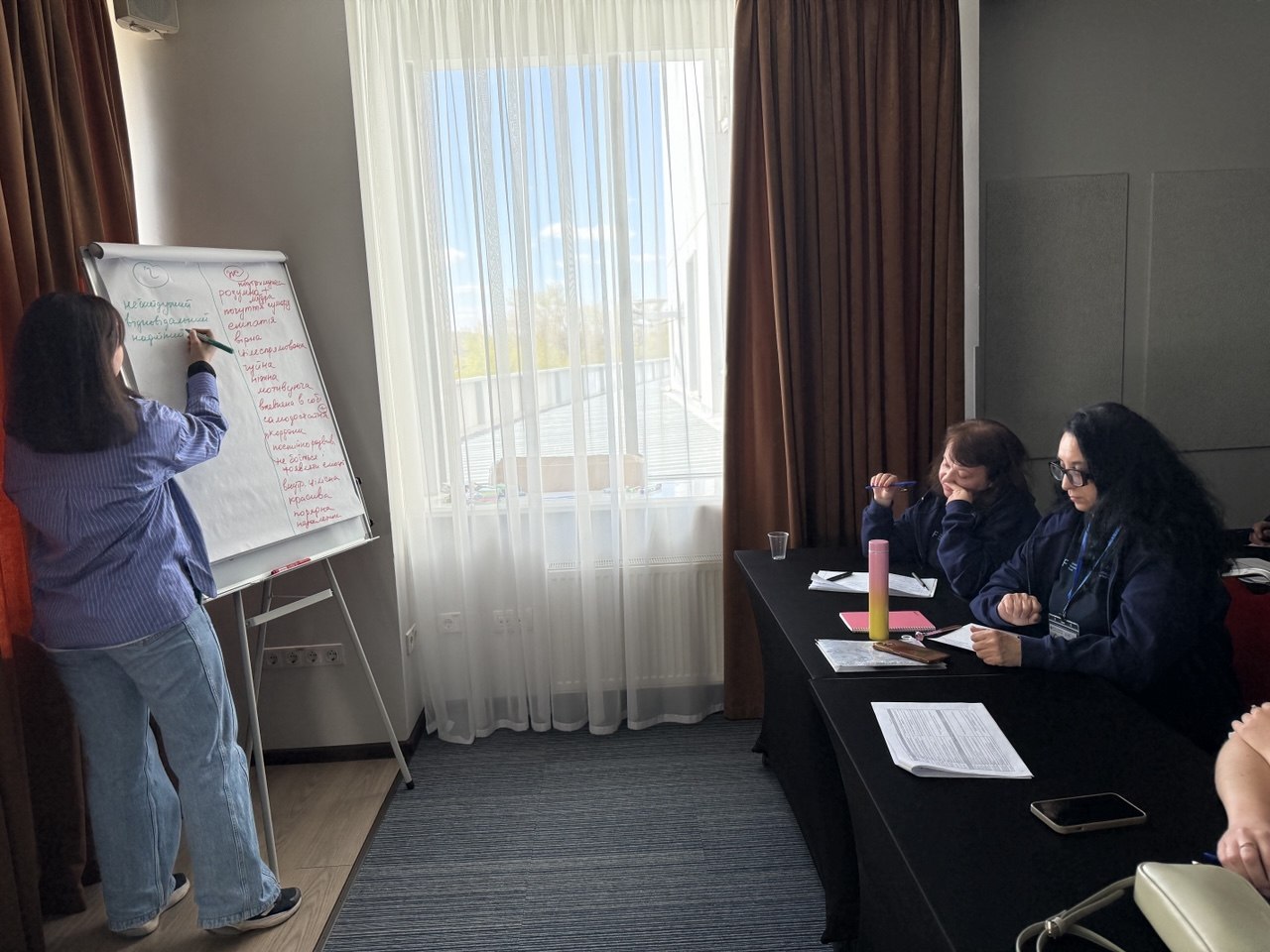
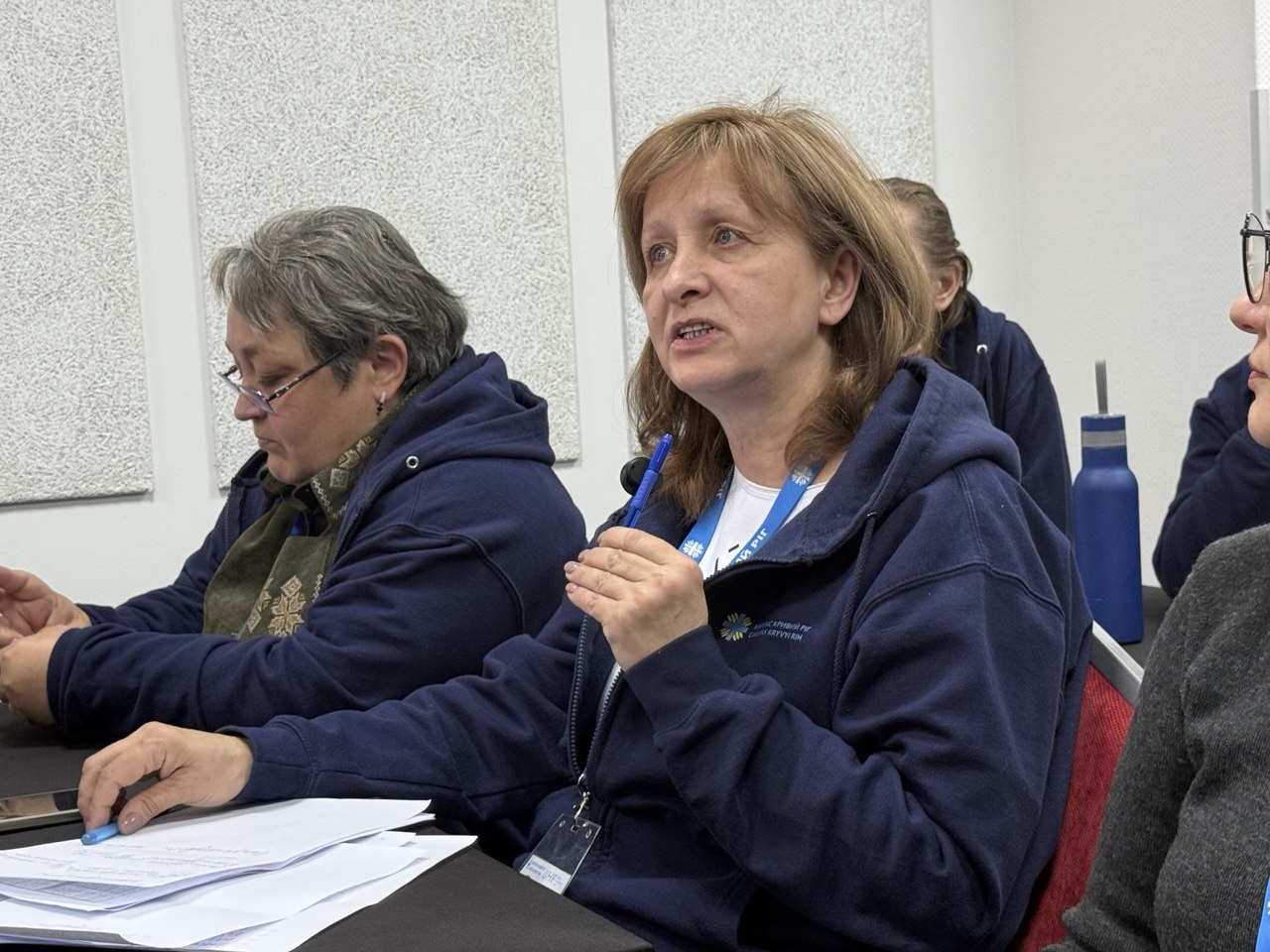
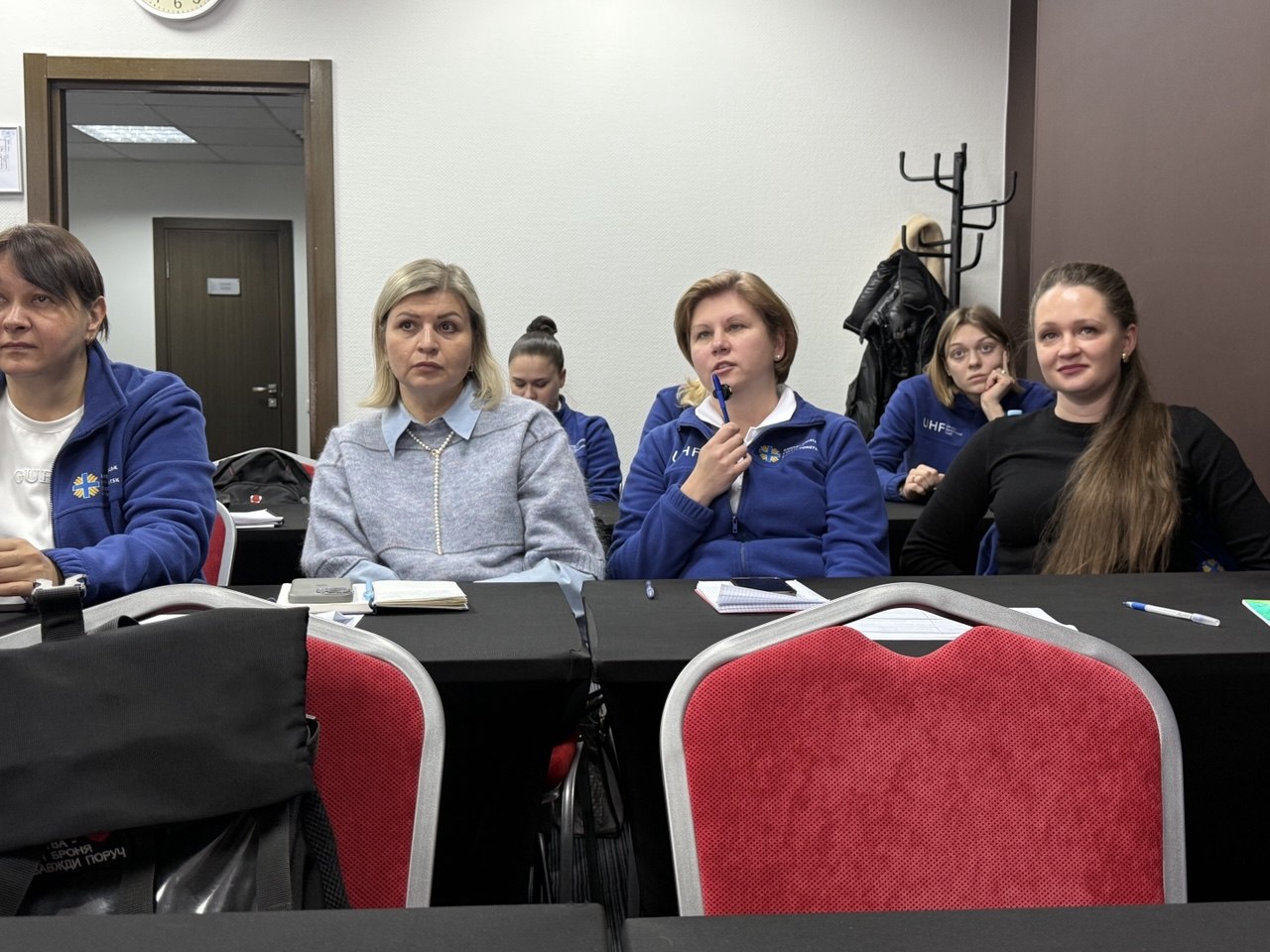
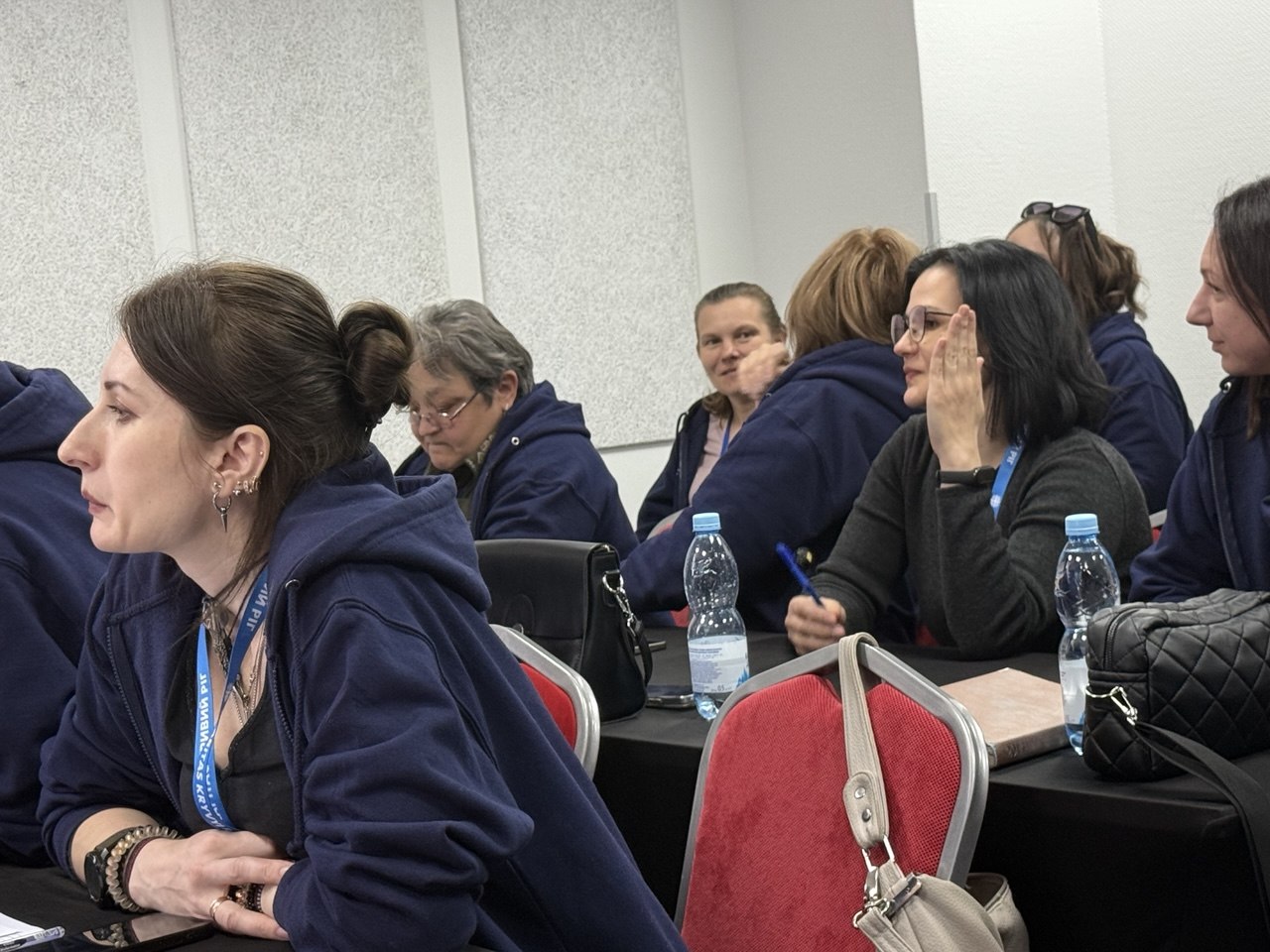
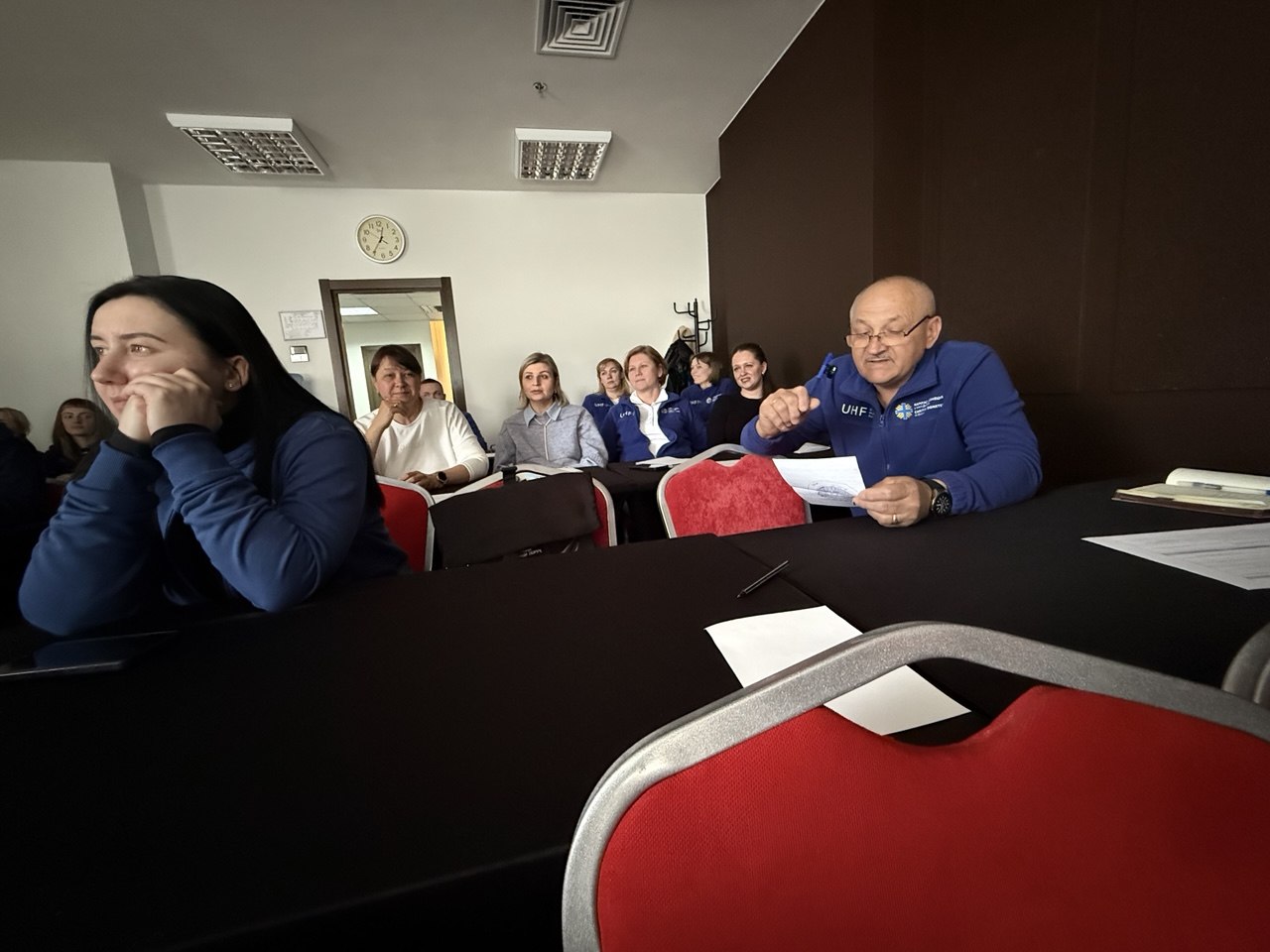
Participants also familiarized themselves with key standards in combating GBV and SEAH, the policies and procedures of the Safeguarding system operating within the Caritas Ukraine network, and mechanisms for responding to potential violations. A zero-tolerance approach to all forms of violence, exploitation, and abuse was emphasized.
In addition to theoretical blocks, participants worked with practical case studies, which allowed them to better understand how to apply these approaches in real situations. This training format not only enhances awareness but also develops specific skills necessary to ensure a safe, dignified, and accountable environment for people receiving assistance.